
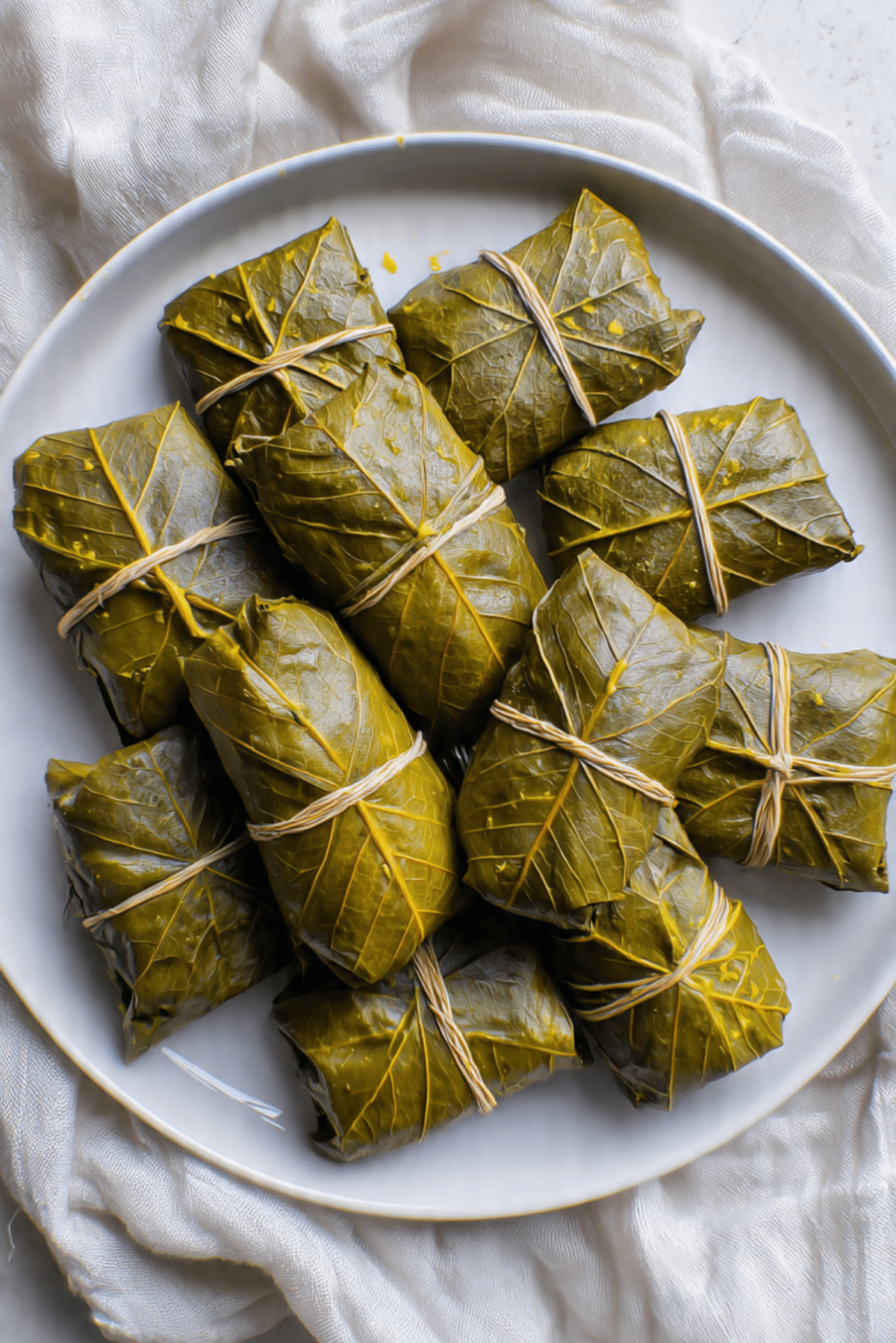
Pat Shak-er Paturi (Jute Leaf Paturi)
There is something deeply comforting about opening a leaf parcel and letting the aroma escape. Pat Shak-er Paturi is one of those dishes that feels rooted in tradition, simple yet incredibly expressive. Tender jute leaves wrapped around a mustard spiced filling, gently steamed until soft and fragrant, it is earthy, slightly pungent, and wonderfully satisfying. Trust me, you are going to love this. It is humble, but the flavors speak loudly.
Why This Leaf Wrapped Classic Feels So Special
The beauty of this dish lies in its simplicity. Fresh greens, sharp mustard paste, and gentle steaming create something that feels both rustic and refined. The jute leaves soften beautifully, turning silky and tender while absorbing the mustard and spice mixture inside.
Each bite delivers warmth from mustard, mild heat from green chili, and that distinct leafy depth that makes this dish unforgettable.
A Glimpse Into Bengali Culinary Heritage
Paturi is a traditional Bengali technique where ingredients are coated in mustard paste, wrapped in leaves, and steamed or cooked gently. While fish paturi is more widely known, Pat Shak-er Paturi highlights the brilliance of vegetables and greens.
Jute leaves, commonly used in Eastern India and Bangladesh, are prized for their earthy flavor and slightly slippery texture when cooked. This dish celebrates seasonal produce and minimal ingredients, transforming them into something truly memorable.
Why This Recipe Is Worth Making
Before we get into the wrapping and steaming, here is why this dish earns its place on your table.
Versatile: Serve with rice, lentils, or as part of a larger traditional meal.
Budget-Friendly: Uses simple greens and pantry spices.
Quick and Easy: Minimal prep and gentle steaming.
Customizable: Adjust mustard intensity and spice level.
Crowd-Pleasing: A unique vegetarian dish that surprises and delights.
Make-Ahead Friendly: Parcels can be assembled in advance.
Great for Leftovers: Reheat gently and enjoy with fresh rice.
Chef Tips for Authentic Flavor
A few small techniques make all the difference.
- Use fresh, tender jute leaves without tough stems.
- Grind mustard seeds freshly for bold flavor.
- Add a small pinch of sugar to balance bitterness.
- Steam gently to avoid tearing the leaves.
Tools You Will Need
Keeping it traditional and simple works best.
Blender or Mortar and Pestle: For grinding mustard paste.
Mixing Bowl: To combine the filling ingredients.
Steamer or Covered Pan: For gentle cooking.
Kitchen Twine or Toothpicks: To secure the leaf parcels.
Ingredients You Will Need For This Traditional Dish
These ingredients come together in beautiful harmony, sharp, earthy, and comforting.
- Fresh Jute Leaves: 200 grams, washed and stems trimmed, form the wrapping and main green component.
- Mustard Seeds: 2 tablespoons, soaked for 15 minutes, ground into a paste for bold flavor.
- Green Chilies: 2 small, add gentle heat.
- Grated Coconut: 2 tablespoons, about 20 grams, adds subtle sweetness and texture.
- Turmeric Powder: 1/2 teaspoon, for color and warmth.
- Salt: 1 teaspoon or to taste, enhances overall flavor.
- Sugar: 1/2 teaspoon, balances bitterness.
- Mustard Oil: 1 tablespoon, adds authentic aroma and richness.
Ingredient Swaps If Needed
You can adjust based on availability.
Jute Leaves: Spinach or collard greens as alternatives.
Mustard Oil: Neutral oil, though flavor will be milder.
Grated Coconut: Omit if unavailable.
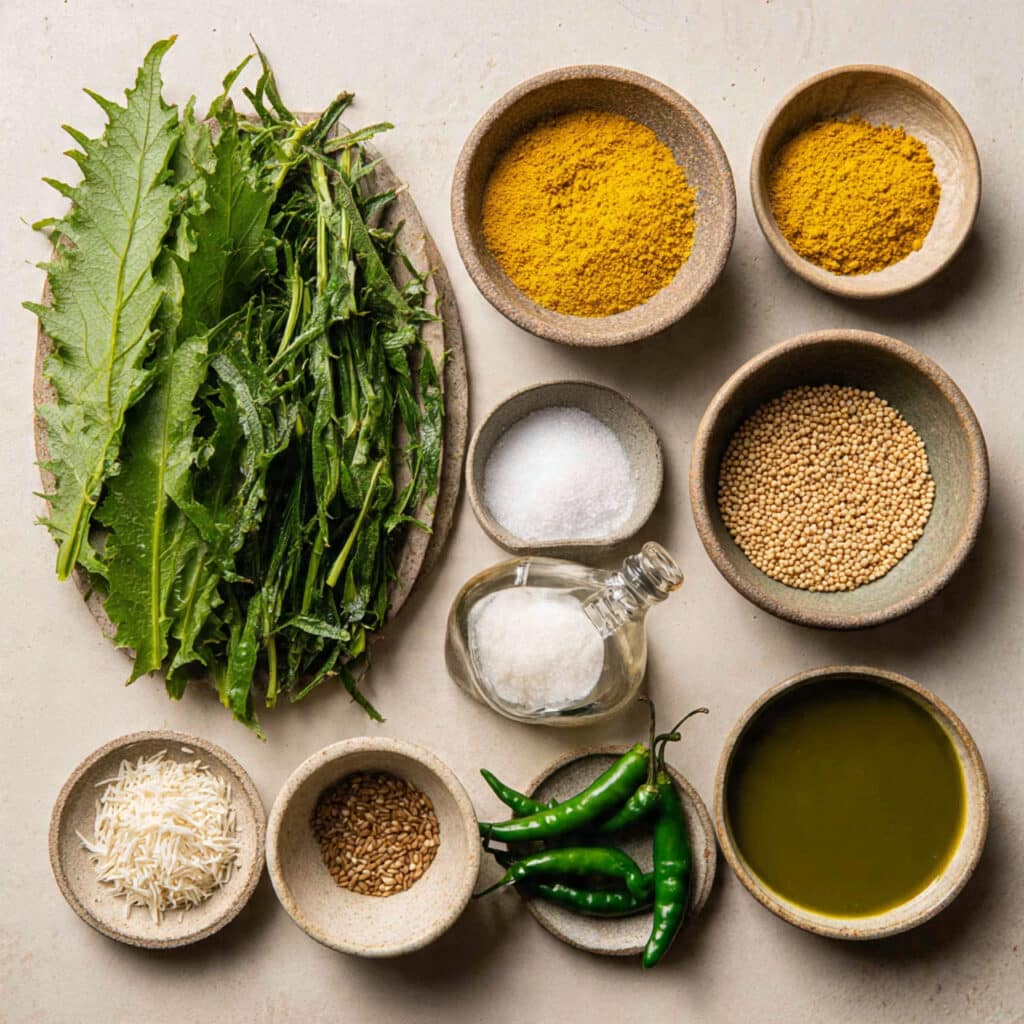
Spotlight on Key Ingredients
Mustard Seeds: Freshly ground mustard gives the dish its sharp, signature punch that defines paturi.
Mustard Oil: Just a small amount adds depth and that unmistakable aroma associated with Bengali cooking.
Let Us Prepare It Step by Step
Here are the steps you are going to follow.
- Preheat Your Equipment: Prepare a steamer or a covered pan with a small amount of water and bring it to a gentle simmer.
- Combine Ingredients: Grind soaked mustard seeds and green chilies into a smooth paste. In a bowl, mix this paste with grated coconut, turmeric powder, salt, sugar, and mustard oil.
- Prepare Your Cooking Vessel: Lightly grease the steamer plate or line it to prevent sticking.
- Assemble the Dish: Lay out jute leaves, place a spoonful of mustard mixture in the center, fold into small parcels, and secure with twine or toothpicks.
- Cook to Perfection: Arrange parcels in the steamer and cook for 12 to 15 minutes until the leaves are tender and aromatic.
- Finishing Touches: Remove carefully and let rest for a few minutes before serving.
- Serve and Enjoy: Serve warm with steamed rice for the best experience.
Texture and Flavor Experience
The leaves become soft and slightly silky, wrapping around the moist mustard filling. The flavor is bold and slightly pungent, balanced by the gentle sweetness of coconut and sugar. The mustard oil adds depth that lingers pleasantly.
It is earthy, vibrant, and comforting all at once.
Helpful Tips and Tricks
- Always taste the mustard paste before wrapping to adjust salt.
- Do not oversteam, as leaves can become too soft.
- Use tender leaves for best texture.
Common Mistakes to Avoid
- Using too much mustard, which can overpower.
- Skipping soaking mustard seeds, which can cause bitterness.
- Wrapping too loosely, which may cause filling to leak.
Nutrition Overview
Servings: 4
Calories per serving: 110
Note: These are approximate values.
Time Needed From Start to Finish
Prep Time: 20 minutes
Cook Time: 15 minutes
Total Time: 35 minutes
Storage and Make Ahead Guide
Assemble the parcels a few hours in advance and refrigerate until ready to steam. Leftovers can be stored in an airtight container for up to two days and reheated gently by steaming.
Freezing is not recommended as the leaves may lose texture.
Serving Ideas That Highlight Its Flavor
Serve alongside steamed rice and simple lentils. Pair with a squeeze of fresh lemon for brightness. It also complements other vegetable sides beautifully.
Creative Ways to Use Leftovers
Chop and mix into warm rice.
Spread inside a wrap for a spicy green filling.
Stir into cooked lentils for added flavor.
Extra Tips for Authentic Taste
Use freshly ground mustard seeds for the best aroma.
Drizzle a few extra drops of mustard oil before serving.
Serve immediately for maximum fragrance.
Make It Visually Appealing
Arrange the parcels neatly on a white plate and keep the presentation simple so the vibrant green color stands out.
Variations to Try
Add a spoon of yogurt to the filling for creaminess.
Include poppy seed paste for added texture.
Increase green chilies for extra heat.
Mix in finely chopped herbs for freshness.
FAQ’s
Q1: Can I use frozen jute leaves?
Fresh leaves are best for texture and flavor.
Q2: Is this dish very spicy?
The heat level depends on the number of chilies used.
Q3: Can I make it without coconut?
Yes, it will be slightly sharper in flavor.
Q4: How do I reduce bitterness?
Add a small pinch of sugar and ensure mustard seeds are soaked.
Q5: Can I bake instead of steam?
Steaming gives the best soft texture.
Q6: How long does it keep?
Up to two days refrigerated.
Q7: Can I double the recipe?
Yes, simply scale ingredients evenly.
Q8: What pairs best with it?
Steamed rice and simple lentils.
Q9: Is it vegan?
Yes, it contains only plant-based ingredients.
Q10: Can I add garlic?
A small amount can be added for deeper flavor.
Conclusion
Pat Shak-er Paturi is a beautiful reminder that simple ingredients can create deeply satisfying dishes. Wrapped in tender leaves and infused with bold mustard flavor, it is earthy, vibrant, and full of character. Once you try it, you will understand why this humble preparation holds such a special place in Bengali kitchens.
PrintPat Shak-er Paturi (Jute Leaf Paturi)

Traditional Pat Shak-er Paturi made with tender jute leaves coated in a bold mustard and coconut paste, then gently steamed until soft and aromatic. This classic Bengali vegetarian dish is earthy, vibrant, and full of authentic flavor.
Ingredients
- 200 grams fresh jute leaves, washed and stems trimmed
- 2 tablespoons mustard seeds, soaked for 15 minutes
- 2 small green chilies
- 2 tablespoons grated coconut (about 20 grams)
- 1/2 teaspoon turmeric powder
- 1 teaspoon salt, or to taste
- 1/2 teaspoon sugar
- 1 tablespoon mustard oil
Instructions
- Prepare a steamer or covered pan with a small amount of water and bring it to a gentle simmer.
- Grind soaked mustard seeds and green chilies into a smooth paste.
- In a mixing bowl, combine the mustard paste with grated coconut, turmeric powder, salt, sugar, and mustard oil. Mix well.
- Lay out the cleaned jute leaves and place a spoonful of the mustard mixture in the center of each portion.
- Fold the leaves into small secure parcels and tie with kitchen twine or secure with toothpicks.
- Arrange the parcels in the steamer and cook for 12 to 15 minutes until the leaves are tender and aromatic.
- Remove carefully and let rest for a few minutes before serving warm.
Notes
- Soak mustard seeds before grinding to reduce bitterness.
- Use tender, fresh jute leaves for best texture.
- Do not oversteam to prevent overly soft leaves.
- Drizzle a few drops of mustard oil before serving for extra aroma.