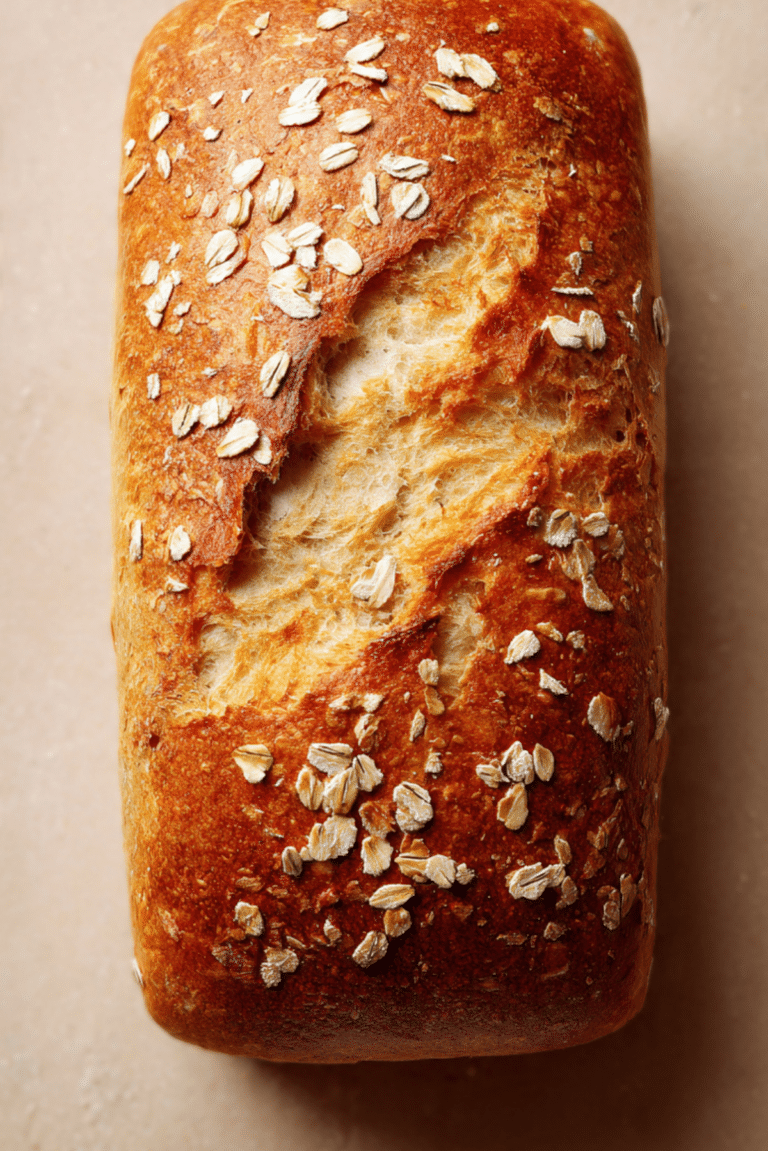
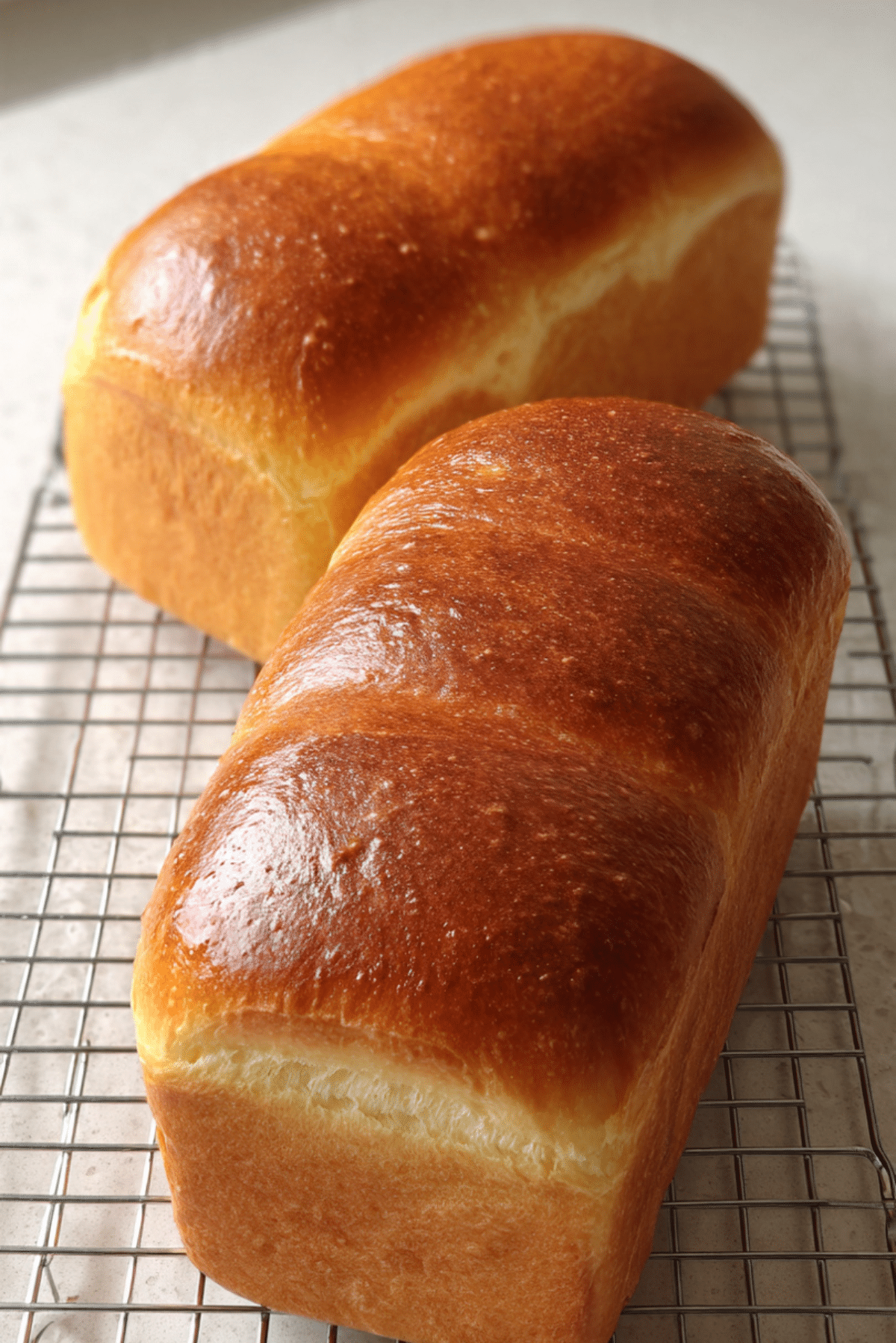
Japanese Milk Bread
Soft, fluffy, and slightly sweet, Japanese Milk Bread is one of those recipes that wraps you in comfort with every bite. The golden crust hides a cloud-like interior that almost melts on the tongue. Whether you’re slathering it with butter while it’s still warm or using it for the most luxurious toast, this bread is one of those simple pleasures that feels a little magical.
Behind the Recipe
This recipe has been a quiet favorite in my kitchen for years. I remember the first time I pulled a loaf of Japanese Milk Bread out of the oven — the scent alone made me pause. It filled the house with warmth and that unmistakable aroma of fresh bread, but softer, gentler, and a little sweeter than usual. That moment turned this into one of my must-bake comfort foods. It’s a recipe I reach for on slow Sundays and rainy afternoons.
Recipe Origin or Trivia
Japanese Milk Bread, also known as Shokupan, is a staple in Japanese bakeries and households. What makes it so unique is the Tangzhong method, where a portion of the flour is cooked with water or milk into a paste before being added to the dough. This process gives the bread its famously fluffy and springy texture. It’s often used for sandwiches, breakfast toast, or just enjoyed as-is that’s how loved it is.
Why You’ll Love Japanese Milk Bread
Once you try a slice, it’s hard to go back to any other kind of bread.
Versatile: It’s perfect for sandwiches, French toast, or just fresh with a bit of jam.
Budget-Friendly: Uses simple pantry staples, no fancy ingredients needed.
Quick and Easy: Surprisingly simple once you try it, especially with the Tangzhong technique.
Customizable: Add raisins, swirl in cinnamon, or shape it into rolls or buns.
Crowd-Pleasing: Everyone loves its ultra-soft texture and slight sweetness.
Make-Ahead Friendly: Dough can be prepped ahead and baked fresh the next day.
Great for Leftovers: Makes the most incredible next-day toast or grilled cheese.
Chef’s Pro Tips for Perfect Results
Want that dreamy, pillow-soft texture every time? Here’s how to get it right:
- Use Bread Flour: It gives the structure needed for the iconic fluffiness.
- Don’t Skip Tangzhong: That paste is the secret to softness and shelf life.
- Room Temperature Ingredients: Especially the milk and butter for smoother mixing.
- Proof Until Puffy: Let the dough rise until it’s visibly airy before baking.
- Check Your Oven Temp: A too-hot oven can darken the crust too quickly without baking the inside properly.
Kitchen Tools You’ll Need
You don’t need a bakery to pull this off, just a few essentials.
Mixing Bowls: For combining your ingredients and prepping the Tangzhong.
Small Saucepan: To make the flour and milk paste.
Measuring Cups and Spoons: Accuracy makes a difference in bread baking.
Stand Mixer (Optional): Makes kneading easier but not required.
Loaf Pan: Gives the bread its signature shape.
Wire Rack: For cooling without sogginess.
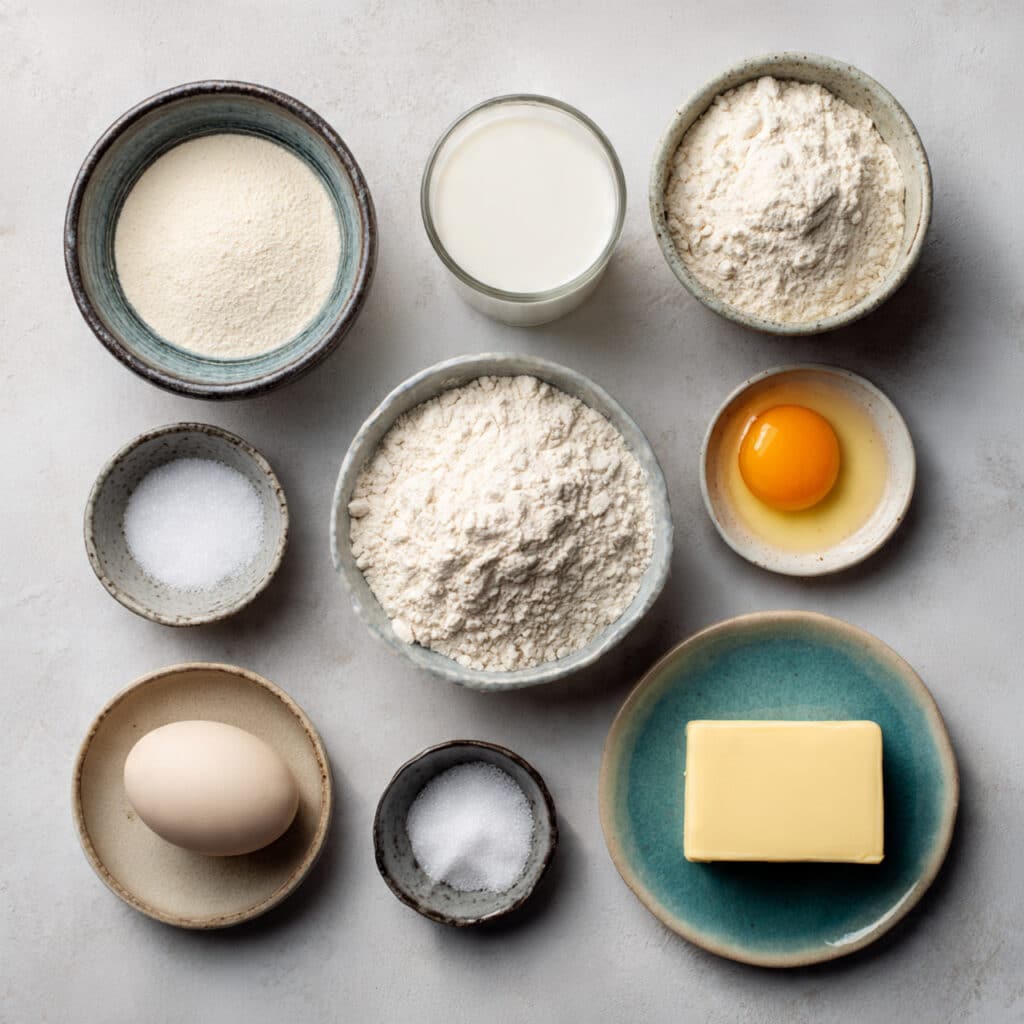
Ingredients in Japanese Milk Bread
The beauty of this bread lies in how a few simple ingredients create something truly special.
- Bread Flour: 3 ½ cups This high-protein flour gives the bread its strong yet soft structure.
- Whole Milk: 1 cup (plus 3 tbsp for Tangzhong) Adds richness and softness.
- Water: ½ cup (for Tangzhong) Used to create the paste that gives the bread its texture.
- Granulated Sugar: ¼ cup Slight sweetness that enhances flavor and browning.
- Active Dry Yeast: 2 ¼ teaspoons Helps the dough rise and become airy.
- Salt: 1 teaspoon Balances the sweetness and enhances the overall flavor.
- Unsalted Butter: ¼ cup, softened Adds richness and tenderness to the crumb.
- Egg: 1 large Helps bind everything together and enriches the dough.
Ingredient Substitutions
Sometimes you’re out of an ingredient, and that’s okay. Here are a few easy swaps.
Bread Flour: All-purpose flour can work, but the bread will be slightly less chewy.
Whole Milk: 2% milk or even a plant-based option like oat milk can be used.
Granulated Sugar: Honey works too, but reduce the liquid in the recipe slightly.
Active Dry Yeast: Use instant yeast, just skip the blooming step and mix it in.
Unsalted Butter: Salted butter works, just reduce the added salt by a pinch.
Ingredient Spotlight
Tangzhong Paste: This magic mix of flour and liquid locks in moisture, giving the bread its signature softness.
Bread Flour: The key to structure, giving your loaf that classic stretchy crumb without toughness.
Instructions for Making Japanese Milk Bread
Ready to get your hands in some dough? Here’s your baking roadmap.
- Preheat Your Equipment:
Preheat your oven to 350°F (175°C). Grease your loaf pan and set aside. - Combine Ingredients:
First, make the Tangzhong. In a small saucepan, whisk together 3 tablespoons flour with ½ cup water and 3 tablespoons of the milk. Cook over low heat, stirring constantly, until thickened into a paste. Let cool. In a bowl, mix the flour, sugar, salt, and yeast. Add the cooled Tangzhong, remaining milk, egg, and butter. Mix until combined, then knead for about 10 minutes until smooth and elastic. - Prepare Your Cooking Vessel:
Place the dough in a greased bowl, cover with a damp towel, and let it rise in a warm spot for 1 to 1½ hours, or until doubled in size. - Assemble the Dish:
Punch down the dough, divide it into 3 equal parts, shape each into a ball, and place them side by side in the prepared loaf pan. - Cook to Perfection:
Cover loosely and let rise again for about 45 minutes, until puffy and domed above the rim. Bake for 30 to 35 minutes, or until golden brown and hollow-sounding when tapped. - Finishing Touches:
Remove from oven and let cool in the pan for 10 minutes, then transfer to a wire rack. For extra shine, brush the top with a bit of melted butter. - Serve and Enjoy:
Slice while still warm or let cool fully for perfect toast. Trust me, it’s irresistible either way.
Texture & Flavor Secrets
Japanese Milk Bread is all about that pillowy-soft texture inside with a gently chewy crust. The subtle sweetness pairs perfectly with the creamy richness of the milk and butter. The Tangzhong technique makes each bite moist, tender, and slightly stretchy exactly what you want in a slice of milk bread.
Cooking Tips & Tricks
Here are a few helpful tricks to get bakery-quality results at home:
- Let the Tangzhong cool before mixing it in.
- Use a kitchen scale for the most accurate flour measurement.
- Proof in a slightly warm oven with the light on if your kitchen is chilly.
- Don’t rush the rising times patience pays off.
What to Avoid
To keep your loaf dreamy and soft, watch out for these common mistakes:
- Over-kneading: It can make the bread dense and tough.
- Skipping Tangzhong: You’ll miss out on that soft, moist texture.
- Underbaking: Your loaf should sound hollow when tapped on top.
Nutrition Facts
Servings: 10
Calories per serving: 190
Note: These are approximate values.
Preparation Time
Prep Time: 25 minutes
Cook Time: 35 minutes
Total Time: 2 hours 30 minutes (including rising)
Make-Ahead and Storage Tips
You can easily make the dough ahead and let it rise overnight in the fridge. Once baked, the bread stays soft for a few days at room temp in an airtight bag. It also freezes beautifully — just slice before freezing for easy thaw-and-toast mornings.
How to Serve Japanese Milk Bread
- Toasted with butter and jam
- As a base for decadent French toast
- With savory fillings like egg salad or cucumber sandwiches
- Even on the side of a hearty soup or stew
Creative Leftover Transformations
- Milk Bread Croutons: Cube, toss in olive oil, and bake for crunchy toppings.
- Bread Pudding: That sweet softness is perfect soaked in custard.
- Mini Sandwiches: Slice thinly for tea sandwiches or sliders.
Additional Tips
- For extra flavor, add a splash of vanilla to the dough.
- Want a sweeter version? Toss in a handful of raisins.
- For an ultra-soft crust, cover the loaf loosely with foil for the first half of baking.
Make It a Showstopper
Brush the top with egg wash before baking for a glossy golden finish. Once baked, a light dusting of powdered sugar or a drizzle of honey butter adds visual appeal and sweetness.
Variations to Try
- Cinnamon Swirl Milk Bread: Roll dough with a cinnamon sugar layer before shaping.
- Matcha Milk Bread: Add 1 tablespoon matcha powder for a green tea twist.
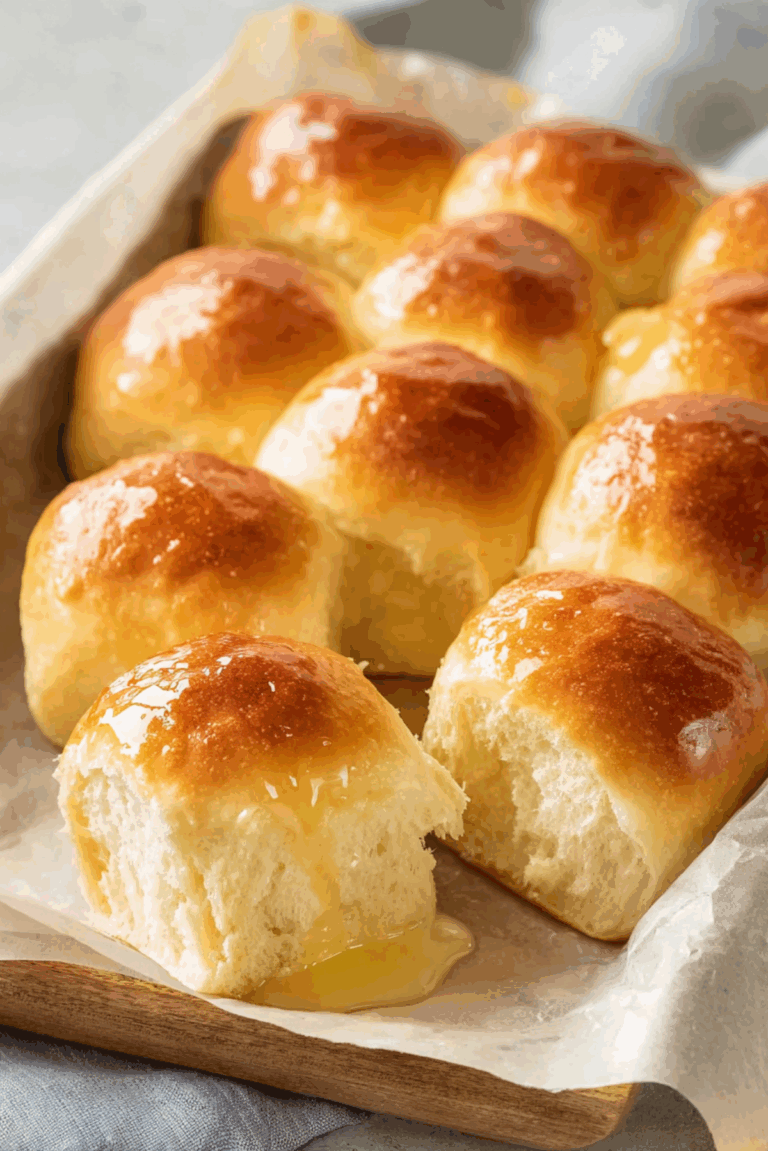
- Milk Bread Rolls: Divide into smaller portions and bake as individual rolls.
- Cheese Stuffed: Tuck small cheese cubes into the dough balls for melty surprises.
- Chocolate Chip: Fold in mini chocolate chips for a dessert-like treat.
FAQ’s
Q1: Can I use a bread machine for this recipe?
A1: Yes, you can use a bread machine on the dough setting, then shape and bake as directed.
Q2: Why is my dough sticky?
A2: That’s normal at first. Keep kneading or add just a touch of flour if needed.
Q3: Can I double the recipe?
A3: Definitely, just use two loaf pans or bake as rolls.
Q4: Can I make it dairy-free?
A4: Yes, use plant-based milk and vegan butter substitutes.
Q5: What’s the difference between this and brioche?
A5: Milk bread is lighter and less rich than brioche, but still very soft and slightly sweet.
Q6: How do I know if it’s fully baked?
A6: The top should be golden and it should sound hollow when tapped.
Q7: Can I shape it differently?
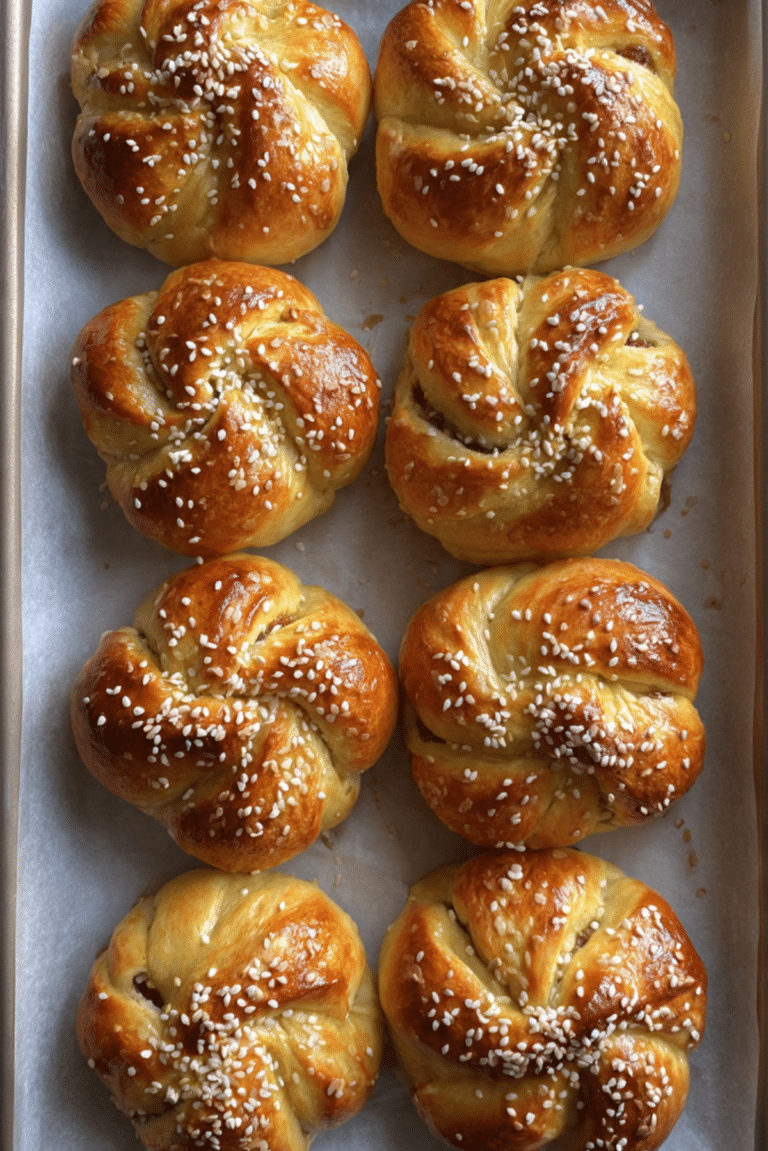
A7: Yes, you can braid it, make buns, or try a pull-apart version.
Q8: Do I need to bloom the yeast?
A8: Yes, if you’re using active dry yeast, bloom it in warm milk first.
Q9: Can I add fillings?
A9: Sure, sweet or savory fillings like red bean paste or cheese work great.
Q10: How long does it stay fresh?
A10: It’s best within 3 days but can last longer if stored properly.
Conclusion
Japanese Milk Bread isn’t just bread it’s a warm, soft hug in loaf form. The smell alone will bring people to the kitchen, and that first bite? Pure cloud-like bliss. Trust me, you’re going to love this one. Whether you’re new to bread baking or a seasoned pro, this one’s a total game-changer.
Japanese Milk Bread
Fluffy, slightly sweet Japanese Milk Bread made using the Tangzhong method for a soft and tender crumb. Perfect for toast, sandwiches, or snacking straight out of the oven.
Ingredients
- 3 ½ cups bread flour
- 1 cup whole milk (plus 3 tbsp for Tangzhong)
- ½ cup water (for Tangzhong)
- ¼ cup granulated sugar
- 2 ¼ tsp active dry yeast
- 1 tsp salt
- ¼ cup unsalted butter, softened
- 1 large egg
Instructions
- In a small saucepan, whisk 3 tbsp flour with ½ cup water and 3 tbsp milk. Cook over low heat, stirring constantly, until it thickens into a paste. Let cool.
- In a mixing bowl, combine bread flour, sugar, salt, and yeast. Add Tangzhong, remaining milk, egg, and softened butter. Mix until a shaggy dough forms.
- Knead dough by hand or stand mixer for 10 minutes until smooth and elastic. Place in a greased bowl, cover, and let rise until doubled, about 1 to 1½ hours.
- Punch down dough and divide into 3 equal portions. Shape each into a ball and place them side by side in a greased loaf pan.
- Cover and let rise again until dough domes above the pan, about 45 minutes.
- Preheat oven to 350°F (175°C). Bake the bread for 30 to 35 minutes until golden brown and sounds hollow when tapped.
- Cool in pan for 10 minutes, then transfer to a wire rack. Brush with melted butter if desired. Slice and serve warm or cool completely.
Notes
- Make the Tangzhong paste first so it has time to cool.
- Use bread flour for best texture and structure.
- Dough can be made the night before and refrigerated.
- Freezes well when sliced and stored in airtight bags.